
Home›Games›Watara Supervision›Hero Hawk
Hero Hawk
Watara Supervision, 1992
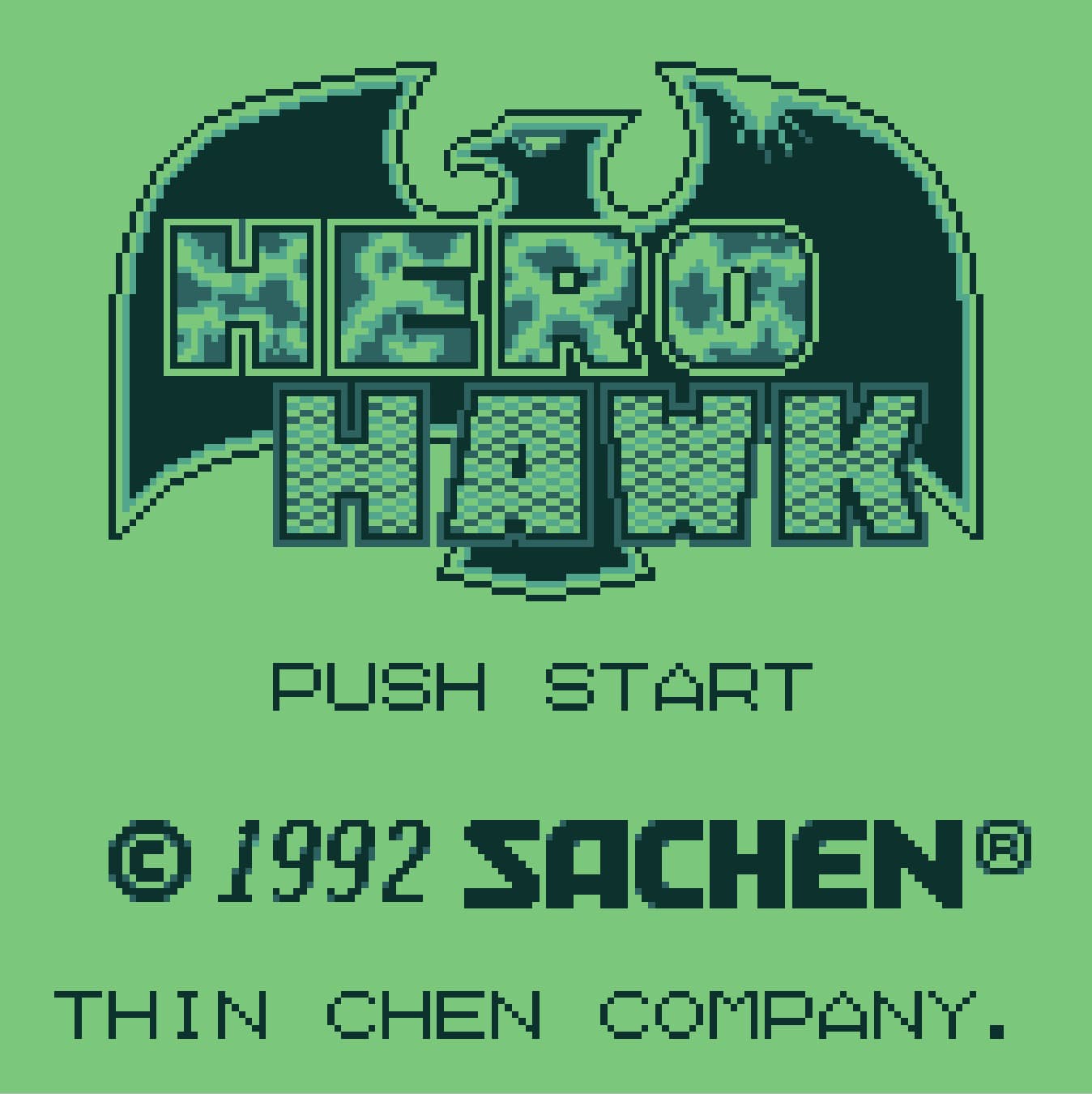
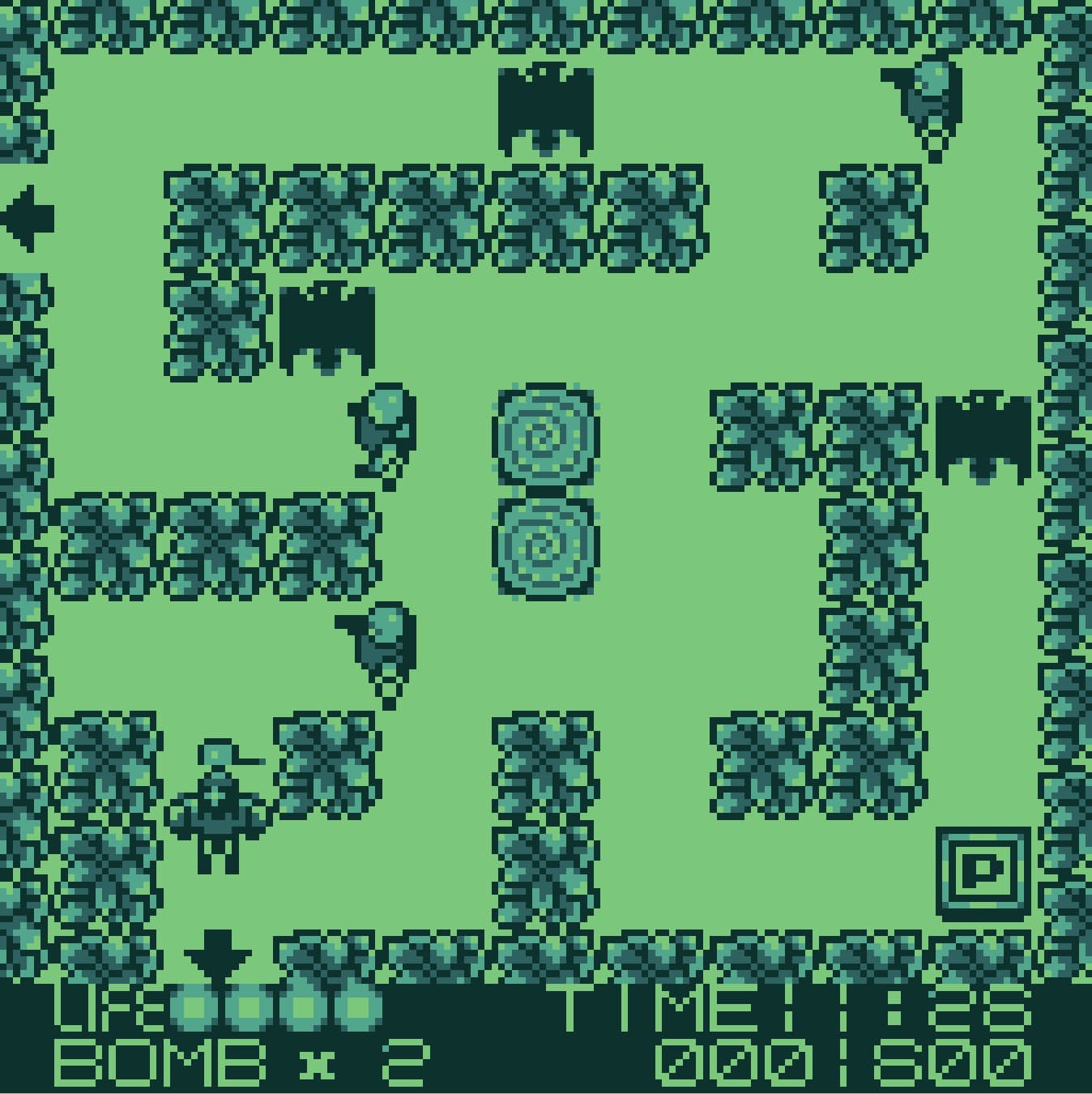
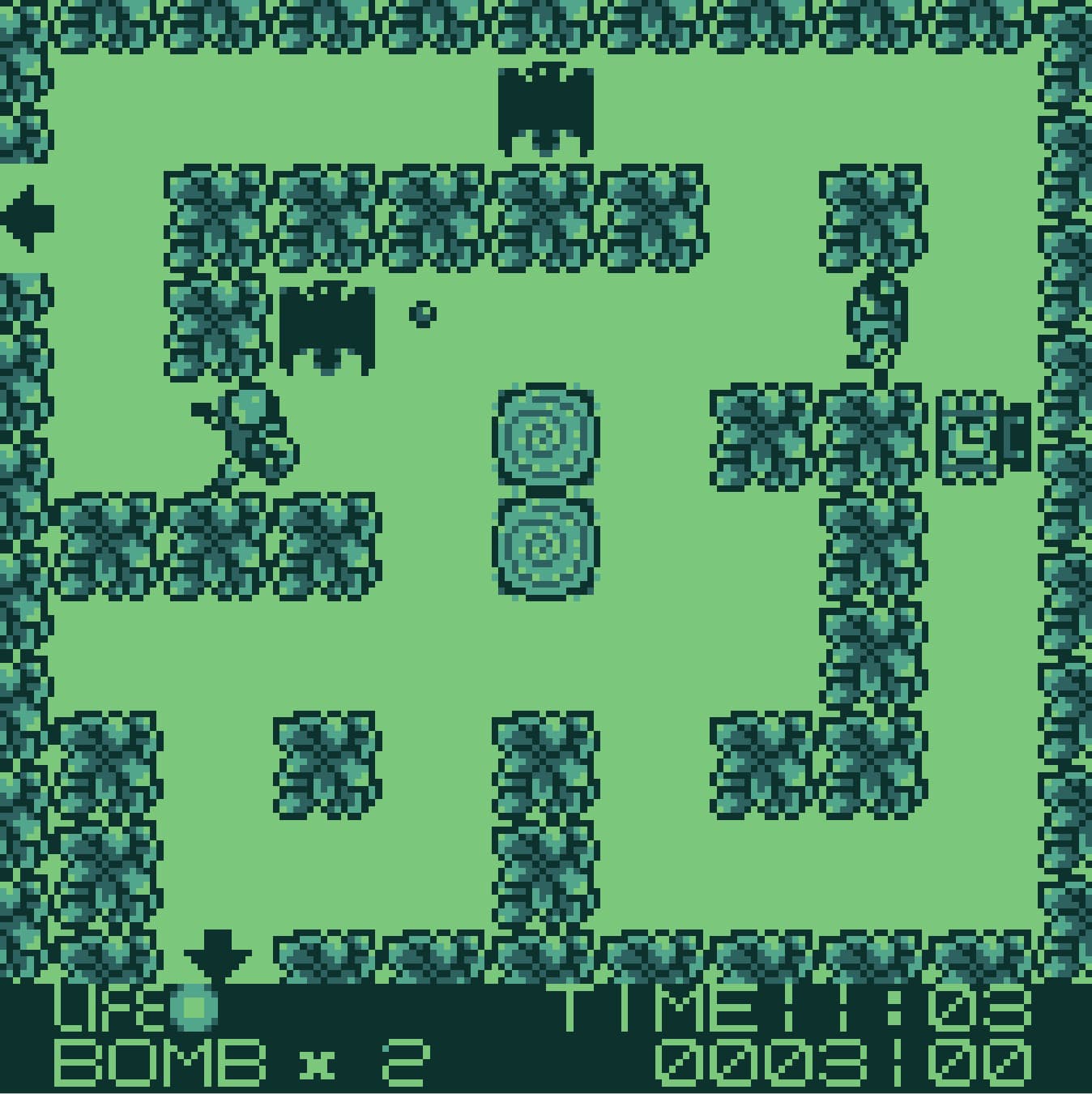
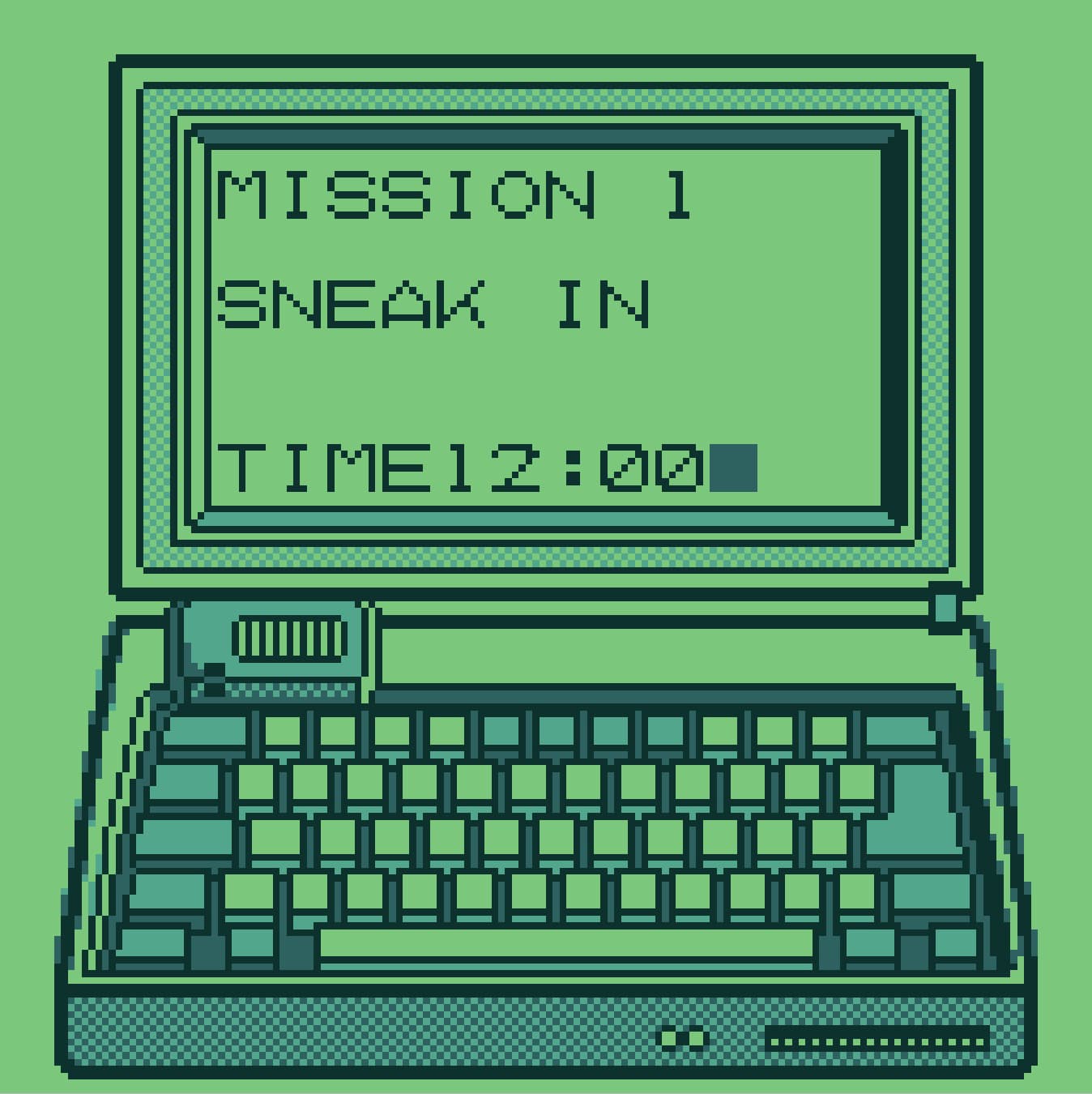
When sifting through the largely forgotten library of the Watara Supervision, you mostly find simple block-dropping puzzles and rudimentary sports clones designed to mimic the early successes of the Game Boy. Hero Hawk, however, tries for something a fair bit more ambitious. Developed by Thin Chen Enterprise and released around 1992, it shies away from basic arcade loops in favour of a top-down tactical action experience. Taking obvious cues from arcade games like Sega's Crack Down, it drops the player into the boots of a lone operative tasked with infiltrating heavily guarded enemy strongholds, making it one of the more involved titles available for the notoriously budget-focused handheld.
The core gameplay demands a surprisingly methodical approach. Rather than mindlessly blasting your way from one end of a level to the other, you are forced to navigate labyrinthine complexes viewed from a bird's-eye perspective. Your primary objective in each stage is to locate specific structural weak points scattered throughout the map and plant time bombs on them. Once all the explosives are set, the dynamic completely shifts. You then have to scramble to the designated exit before the entire facility goes up in smoke. This introduces a brilliant tension to the pacing; your initial infiltration requires careful movement and threat assessment, while the final escape is a frantic, panicked dash against a countdown timer.
Combat requires you to constantly weigh up the risks of engagement. Because you cannot simply absorb endless amounts of damage, running out into the open to take on every guard you see is a quick way to end your run. You have to use the layout of the base to your advantage, slipping past patrols where possible or using narrow corridors as choke points to take out enemies safely. The controls are naturally a bit stiff, owing to the Supervision's famously rigid directional pad, but they hold up well enough for this slower, more deliberate style of play. You quickly learn to peek around corners and line up your shots, treating the encounters more like a tactical puzzle than a traditional shoot-'em-up.
Visually, Hero Hawk manages to sidestep some of the worst hardware flaws of the console. The Supervision was plagued by a cheap liquid crystal display that suffered from terrible ghosting during fast movement. Because this game involves slower, multi-directional scrolling rather than rapid continuous movement, it remains completely playable without dissolving into a blurry mess. The four-shade greyscale palette is used effectively to draw a clear distinction between the metallic floors of the bunker, the solid walls, and the enemy patrols. The sprites might be blocky, but they are legible enough that you rarely take unfair damage because you couldn't parse what was on the screen.
The audio is exactly what you would expect from the era - a driving, slightly repetitive chiptune march that fits the military espionage theme perfectly, punctuated by the sharp, static-heavy thuds of gunfire and explosions. It might not be a masterpiece by the standards of the wider 8-bit era, but Hero Hawk is a genuine oddity for the Supervision. It proves that developers were willing to try and squeeze proper, mission-based tactical games onto the hardware, and it remains a thoroughly engaging play for anyone looking to dig into the stranger corners of retro handheld history.
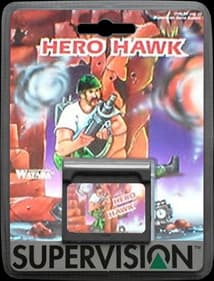
Not currently available to purchase.
Achievements
No achievements are currently available.
Reviews
No reviews are currently available.
Store Items
No store items are currently available.